
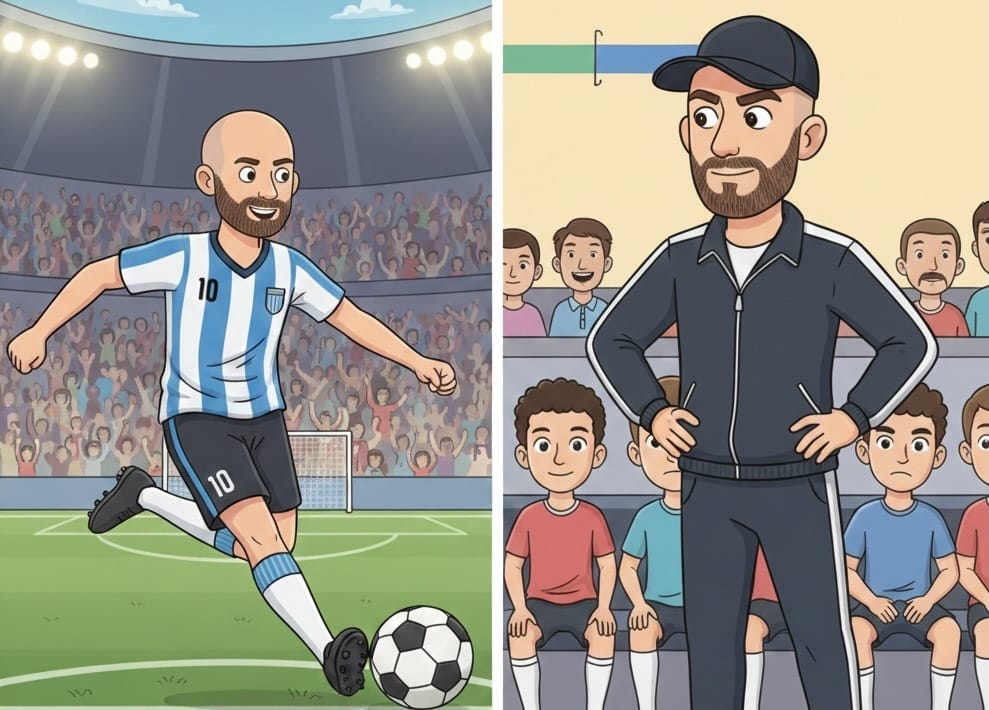
Transitioning from a Senior Software Engineer to an Engineering Manager (EM) is often described not as a promotion, but as a total career change. Lately, I’ve been asked one question more than any other: “What made you want to make the move?”
The answer is different for everyone, but by sharing my own motivations, preparation, and the realities I’ve faced since stepping into the role, I hope to provide a roadmap for those considering the career path.
Motivation
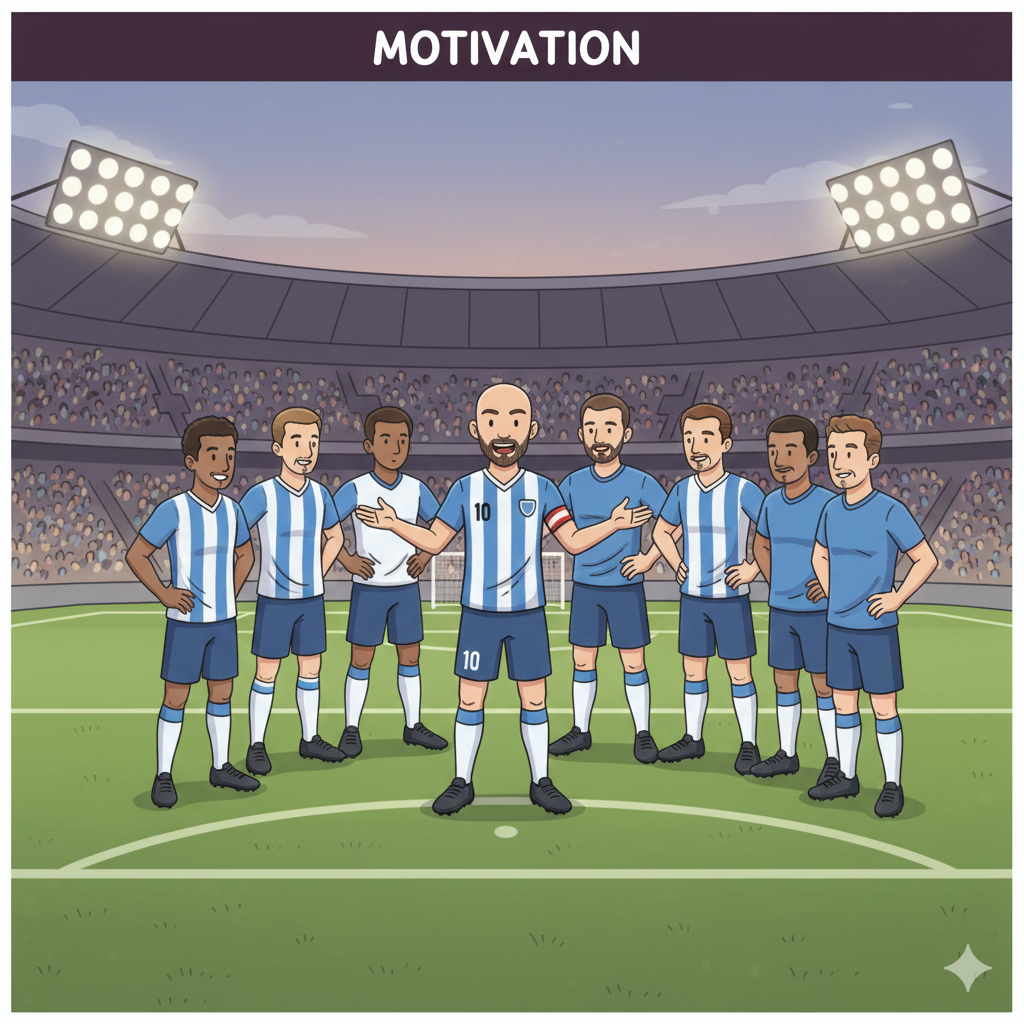
Transitioning to management wasn't about seeking a totally new skill set, but about formalising the leadership I was already practising and enjoying in my Individual Contributor (IC) role.
Focusing On People
As an IC, I found fulfilment in collaborating with others and in helping teammates grow. I knew management offered the opportunity to expand on this - moving beyond informal mentorship to directly influencing career development and performance, ultimately becoming an official sponsor of people’s success.
Expanding My Footprint
As my career developed, I wanted to influence technical decision-making and product strategy at a higher level. I was interested in taking on the full scope of management responsibilities including navigating complex organisational dynamics as well as operational challenges such as resource allocation, risk mitigation and cross-team coordination.
Leveraging My Strengths
Everyone has a unique "edge". I felt my strengths lay in communication, rapid context switching, and a drive for collective output. Management felt like the right place to cultivate and build upon those traits.
Preparation
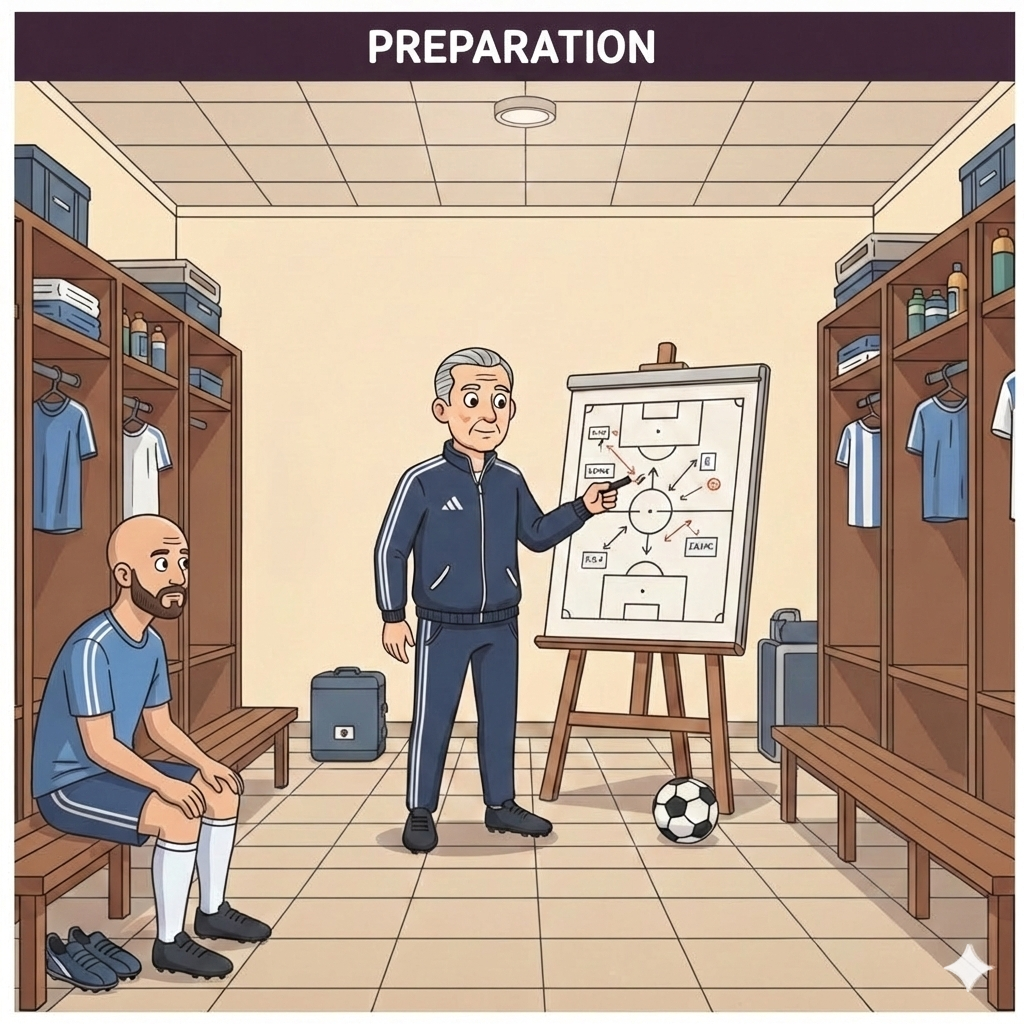
You don’t have to wait for a title change to start practising management. Here is how I prepared while still an IC.
Signalling My Interest
This is the most critical step. By telling my managers I was interested in the EM track, I was placed at the front of their mind when opportunities arose. This led to me covering for managers during extended periods of leave. These trial runs allowed me to get a feel for the role without the permanent pressure of the title, and expanded my skillset by being exposed to the work involved.
Diversifying My L&D
As an engineer, I spent my time learning new frameworks. As a prospective EM, I shifted my focus to more human-centric systems. I used my learning budget for courses on Influencing People, Communication, Product Management, and Tech Leadership. Understanding the product side of the industry, in particular, gave me invaluable insight into what my future counterparts would expect from me.
Practising a Mindset Shift
I began practising an "EM Mindset" during my daily work. Instead of grabbing the most complex ticket for myself, I started asking: “Who on the team would grow the most by taking this on? How can I support them while they do it?” This transition from being a "solver" to an "enabler" is the core of the role.
Practising Feedback
This is something I wish I had started much sooner. Providing feedback can feel awkward at first, but it is an invaluable skill. I started by asking myself: "If I were receiving this, how would I want it framed?". Once you realise that honest feedback is a gift for someone’s growth, it becomes much easier to deliver.
Getting Into the Hiring Room
Interviewing is a crash course in spotting both potential and risk in people. It forced me to hone my soft skills as I represented the company and assessed how a candidate might impact a team’s existing chemistry.
Realisation
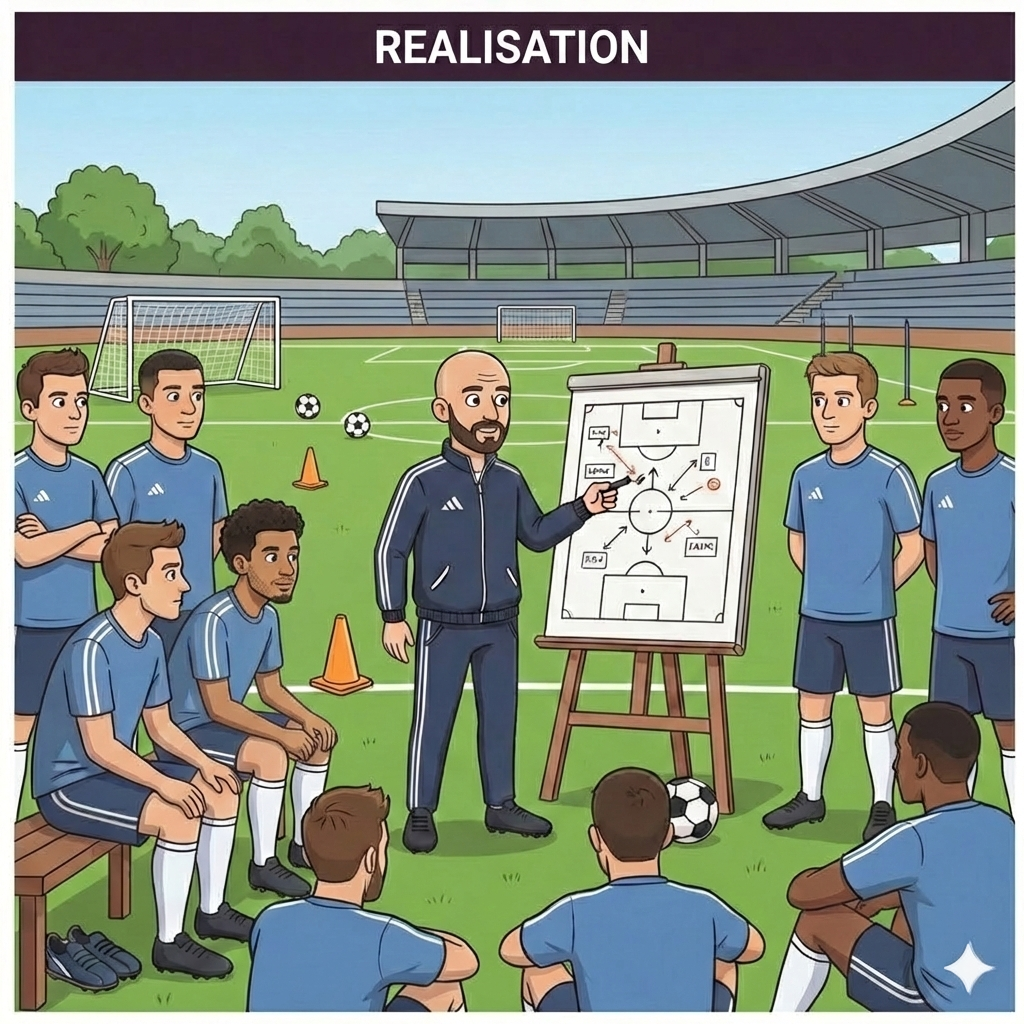
Despite all the preparation, the first few months of being an EM were full of surprises. It turns out trial runs are nothing like the real deal. Here are three things that felt very different once I was "in the seat".
The Context Switching Tax
We often talk about the "Manager’s Schedule", but the reality is more intense. You might go from a high-level budget meeting to a technical design review, followed by a sensitive 1:1. The rate of switching is dramatic, and learning to reset between those threads is a new skill in itself. For me, if I have the time, a quick tea break or stroll away from the desk works wonders.
Everything is a Negotiation
As an engineer, some projects can feel like directives. As an EM, I realised I have the responsibility to negotiate. If a project arrives that the team isn't equipped for, I have to push back and suggest alternatives that are a win-win for everyone. You aren't just managing your team; you are managing the expectations of your peers and senior leaders.
Navigating Divergent Motives
In a single squad, everyone usually shares one goal. In leadership, you realise that different departments have different (and sometimes conflicting) priorities. Other leaders are protecting their own teams and initiatives. Navigating these differing motives to find mutually beneficial solutions was a complexity I hadn't fully anticipated.
Conclusion
Moving from player to coach has been an incredibly rewarding experience. While I spend less time in the code, I find immense joy in building the environment where others can do their best work.
If you’re curious about the move to management, start those conversations with your lead today. And if you have any questions about the transition, my door is always open - feel free to reach out!